
Notes from the barn. Short, honest, and useful this week.
What we tell members across the table: how to get strong again without wrecking yourself, what actually keeps you independent, and how to fit it into a week that is already full.
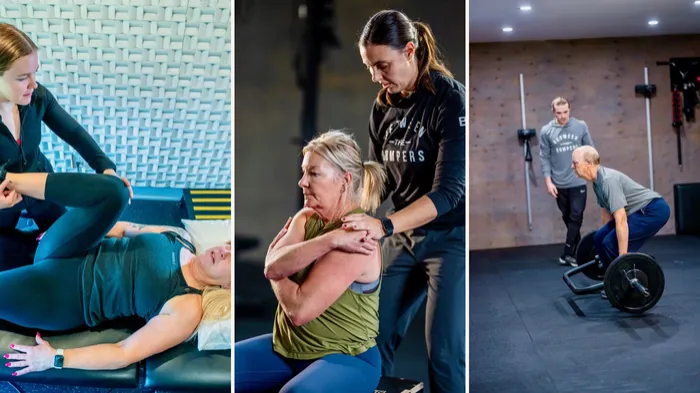
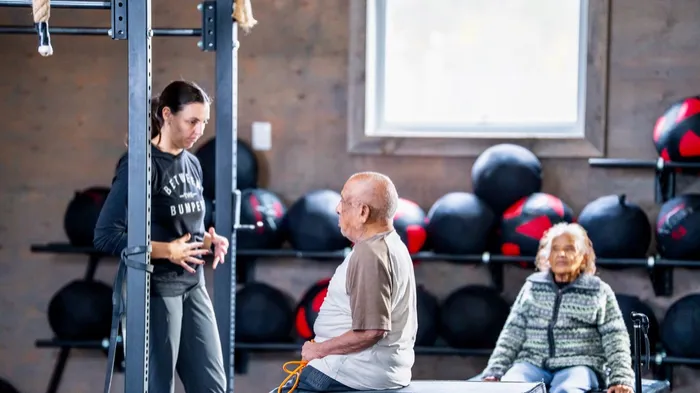
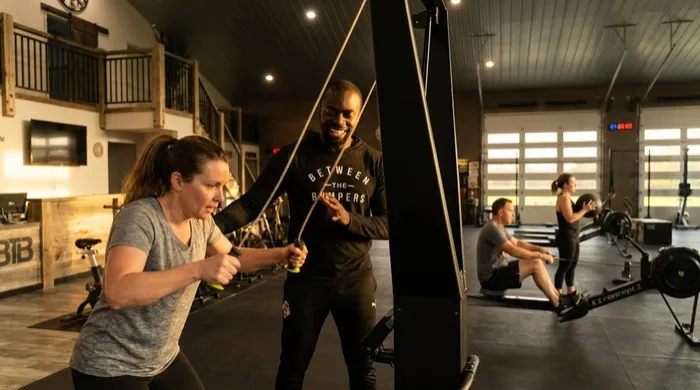
Browse by topic, or search.
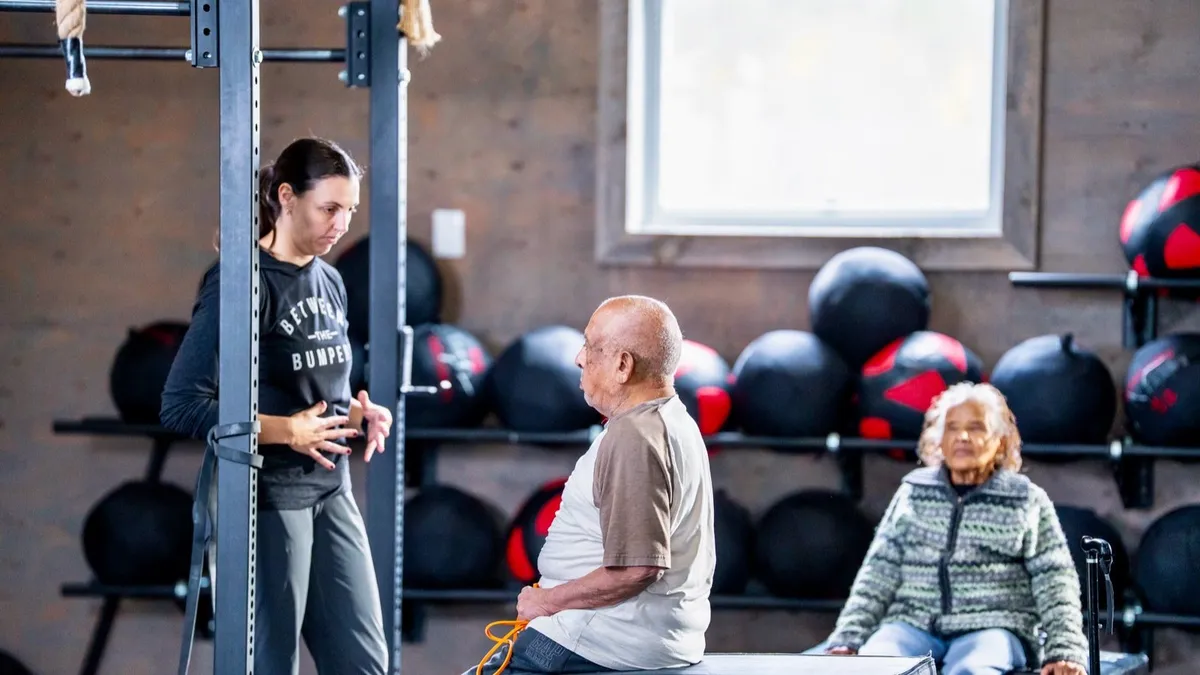
Five Movements That Predict Whether You Stay Independent
There is a point where getting older stops being about how you look and starts being about what you can still do on your own. Five simple movements predict that better than almost anything else, and you can test all five at home in about ten minutes.
None of these are fitness tests. Nobody is asking you to run or lift anything heavy. They are the physical skills that independent living quietly runs on, and clinics use versions of them as screening tools because they are quick, they need almost no equipment, and they tell you something useful.
Work through them honestly. If you pass all five, that is genuinely good news and the job is keeping it that way. If one or two give you trouble, that is worth knowing now, while it is still the easy version of the problem.
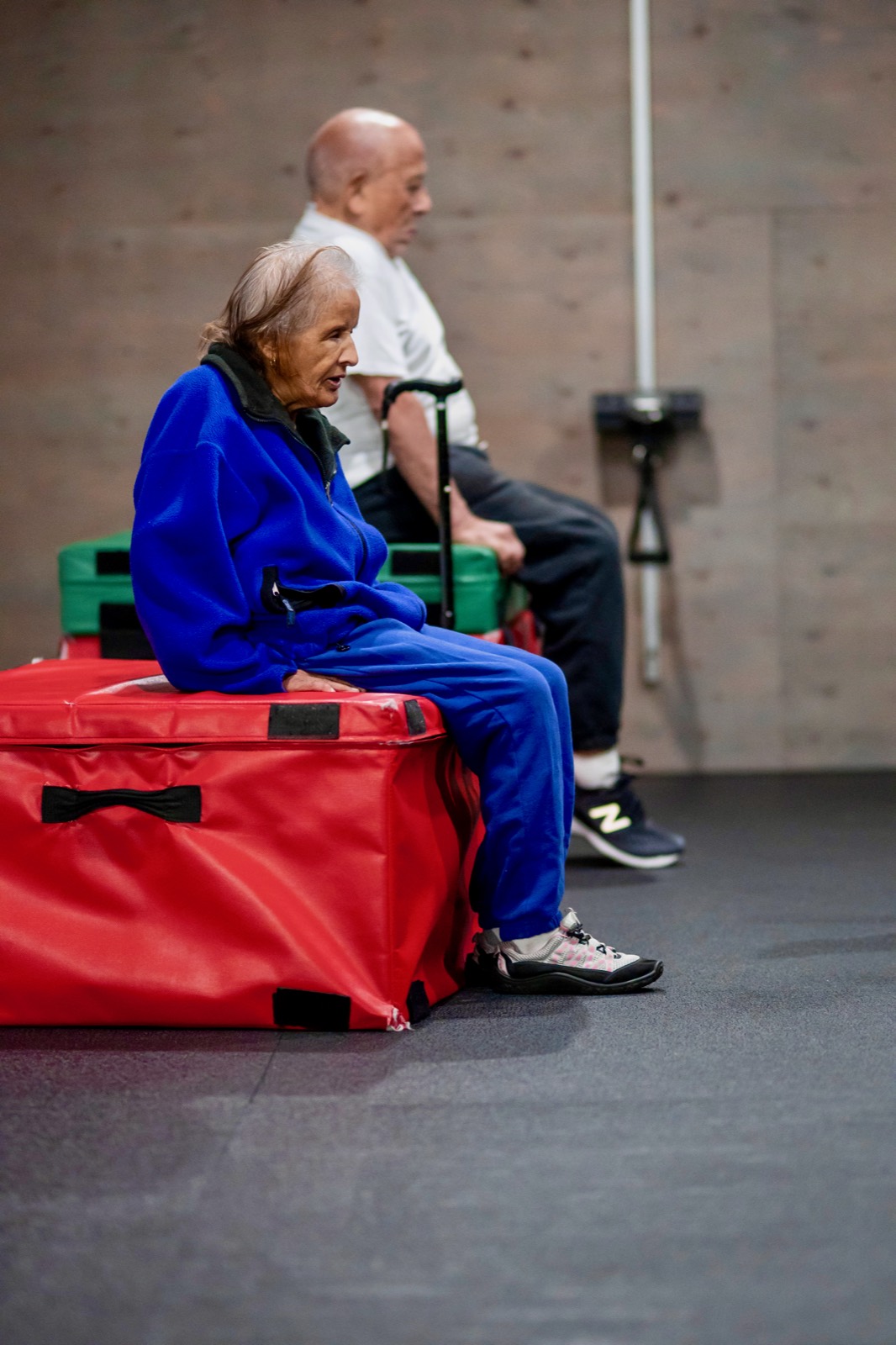
1. Standing up from a chair without using your hands
Sit in a firm dining chair, feet flat, arms crossed over your chest. Stand all the way up and sit all the way down, as many times as you can in thirty seconds.
Hands on the knees or the armrests is the part that matters. If you need them, your legs are already handing work to your arms, and your arms are not going to get stronger on their own.
This one matters more than the rest because it is the movement you do most. Out of a chair, off the toilet, out of the car, up from the couch. Lose it and the world shrinks to rooms with the right furniture in them.
2. Carrying your own groceries
Grip strength is one of the most studied markers in the whole field of ageing, and it is a decent proxy for total body strength, because the hands tend to go the way everything else is going.
You do not need a dynamometer. The home version: can you carry your groceries in from the car in one trip, without setting them down, and still open the door at the end?
If you have started making two trips, or you leave the heavy bags for someone else, or jars have become a problem you solve with a gadget, that is the signal. Not a crisis. A signal.
3. Walking speed
Measure four metres down a hallway. Walk it at your normal, comfortable pace, not a hurried one, and time it.
Five seconds or less is where you want to be. Much over five and you are walking slower than about 0.8 metres per second, which is the threshold most clinics use as a flag.
4. A flight of stairs without the handrail
Go up a full flight at your normal pace without using the rail, then come back down the same way. Keep the rail within reach. The test is whether you need it, not whether you touch it.
Going up is a strength question. Coming down is a control question, and it is the harder of the two. Most people notice the descent first, usually as a wobble or a slight hesitation at the top step.
5. Getting down to the floor and back up
Sit down on the floor, lie flat, then get back up to standing. Use whatever you need. Hands, knees, furniture, all of it is fine.
Then ask yourself two things: how much did you have to use, and did you have to think about it on the way up?
This is the one people avoid rather than fail. They stop getting on the floor with grandchildren, stop retrieving things from under the bed, and never notice the skill leaving because nothing forced the issue.
Not sure what your results mean?
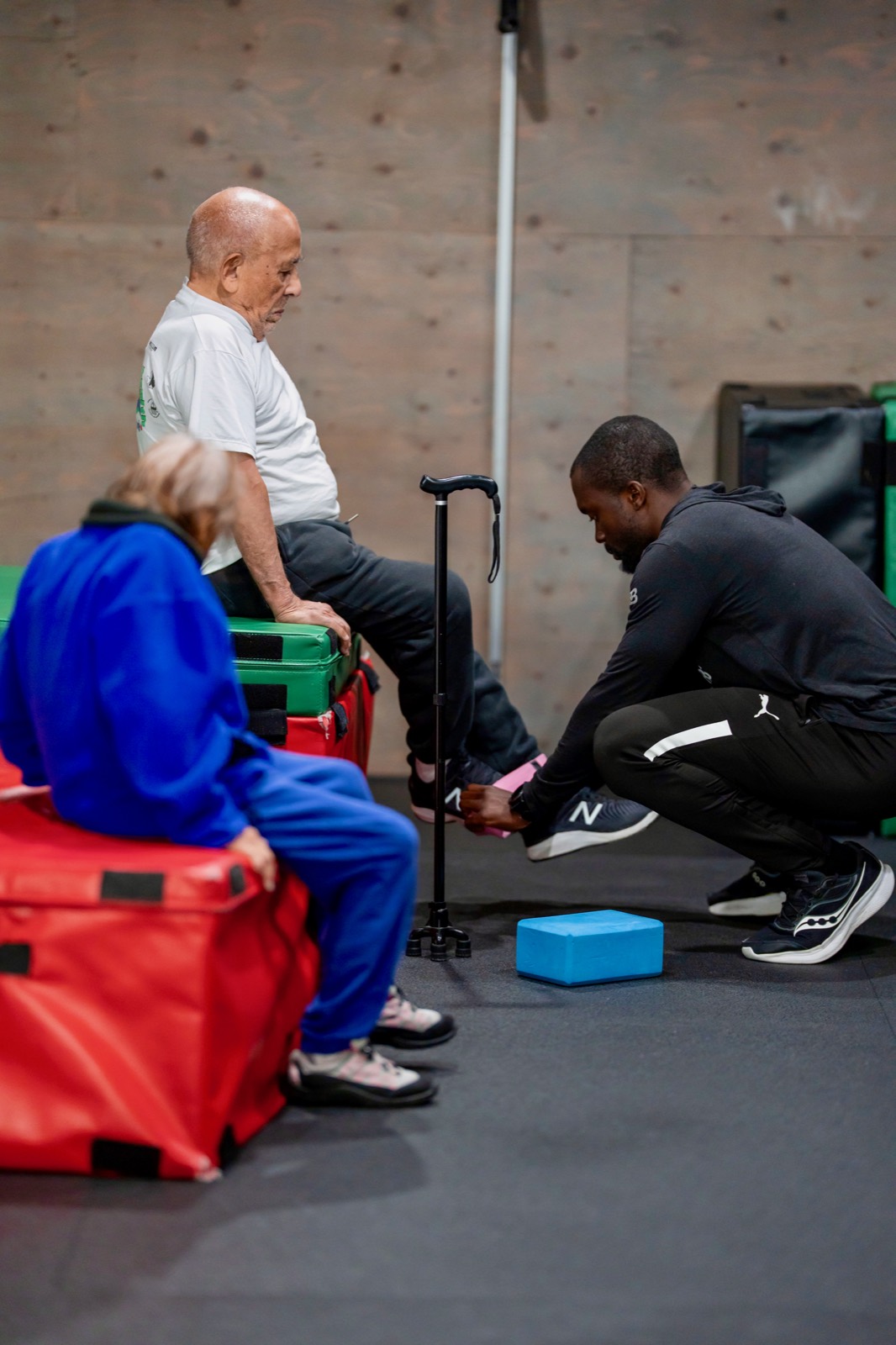
Bring them in. We will run the same five properly, add a balance screen, and tell you plainly which ones are worth working on and which are fine.
Book a free consultationWhat to do with a result you did not like
The useful thing about all five is that they respond to training, and they respond faster than people expect. These are not slow genetic declines. They are mostly disuse, and disuse reverses.
- Start with the one that failedIf the chair stand was the problem, train the chair stand. Specific beats general here, especially at the beginning, because the early gains are mostly your nervous system remembering the pattern.
- Add load, not just repetitionsDoing more of an easy thing builds endurance, not strength. Strength is what these five actually measure, and strength needs resistance that makes the last two repetitions genuinely hard.
- Train the descent as deliberately as the ascentLowering slowly under control is where balance and joint confidence are built. Most people rush this half and wonder why stairs still feel unsteady.
- Give it eight weeks before you judgeMeaningful change in these tests usually shows up somewhere between six and twelve weeks of consistent work. Retest at eight. The number moving is more motivating than how you feel.
If something hurts, that is a different conversation
These five are about capacity, not pain. If a movement hurts rather than just feeling hard, training through it is the wrong answer and you want it looked at first.
In Ontario you do not need a doctor's referral to see a physiotherapist, so that is a direct booking, not a waiting game. Our physiotherapist and athletic therapist both assess here in Stittsville, and the first visit includes treatment rather than just a conversation.
Where this fits at Between The Bumpers
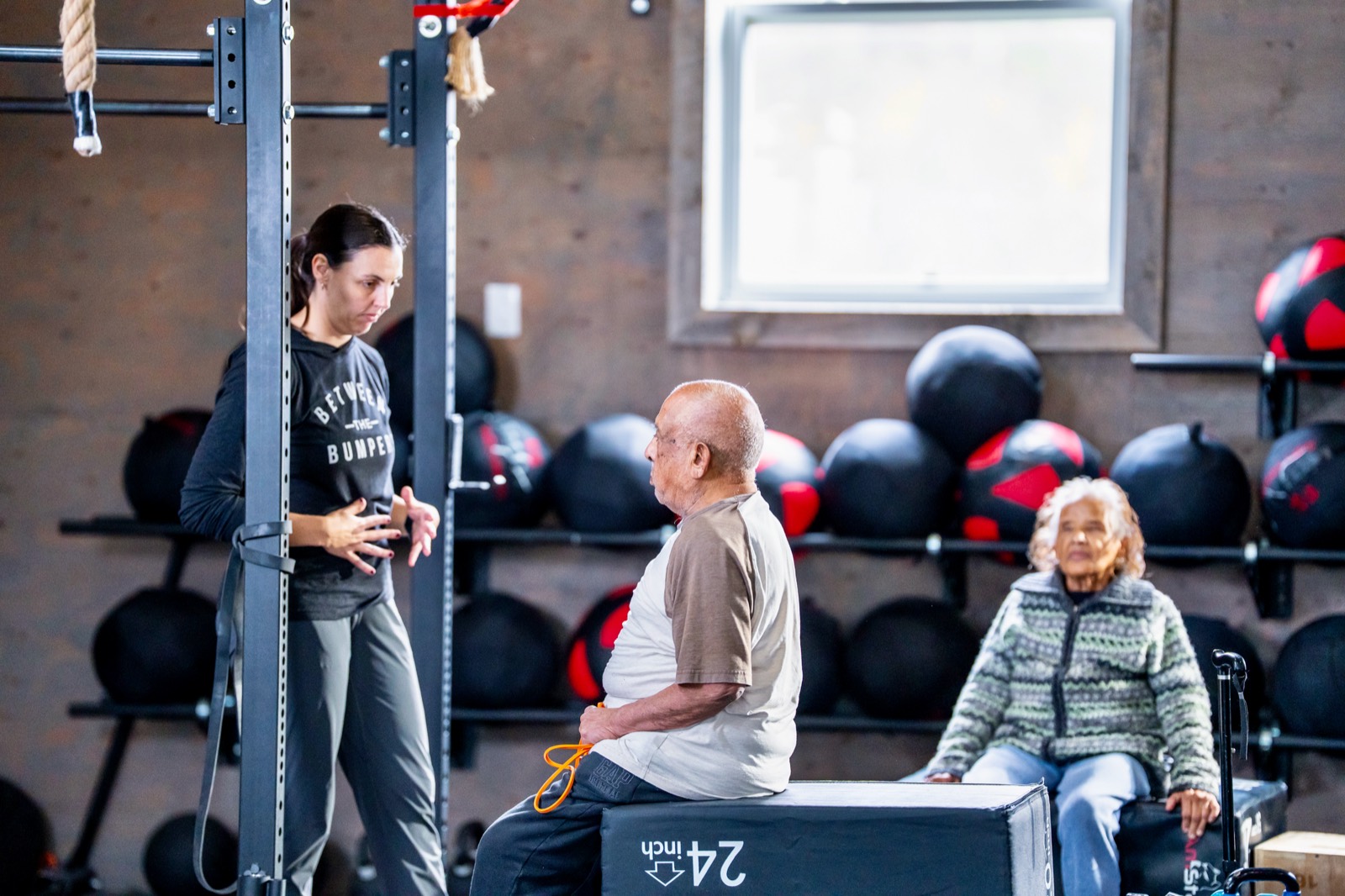
Our Stronger for Longer block is built around exactly these movements. It is a small group, physiotherapy led, twice a week, and the whole programme is organised around keeping people able to do their own stairs, their own groceries and their own floors.
It is not a fitness class with older people in it. The progressions, the equipment heights and the pace are all designed for the goal of staying independent, which is a different goal from getting fit.
Common questions
I am in my fifties. Is this too early to bother?
It is the best time. Everything here is easier to keep than to rebuild, and the fifties are when the first small losses usually appear without being noticed. Testing now gives you a baseline, which is worth more than any single result.
I already walk every day. Is that enough?
Walking is excellent and it will help your gait speed. It will not do much for the chair stand, the stairs or the floor transfer, because none of those are endurance problems. They need resistance work. Walking plus twice a week of strength covers all five.
What if I cannot do one of them at all?
Then you have found the single most valuable piece of information in this article, and the answer is to start there with help rather than alone. Come in and we will build the scaled version.
Is this a diagnosis?
No. These are functional screens, not medical tests, and a low score is information rather than a verdict. If anything here concerns you, or if a movement causes pain, speak to your doctor or book an assessment with our physiotherapist.
Test yourself this week
Ten minutes, a chair, a hallway and a flight of stairs. If any of the five gave you pause, we will help you work on it. Stronger for Longer runs twice a week in Stittsville, and a free consultation is the way in.
See Stronger for Longer Book a free consultation
Reading is a fine start. A conversation is a better one.
Twenty minutes with a coach, no workout, and an honest answer on where to begin.