
Notes from the barn. Short, honest, and useful this week.
What we tell members across the table: how to get strong again without wrecking yourself, what actually keeps you independent, and how to fit it into a week that is already full.
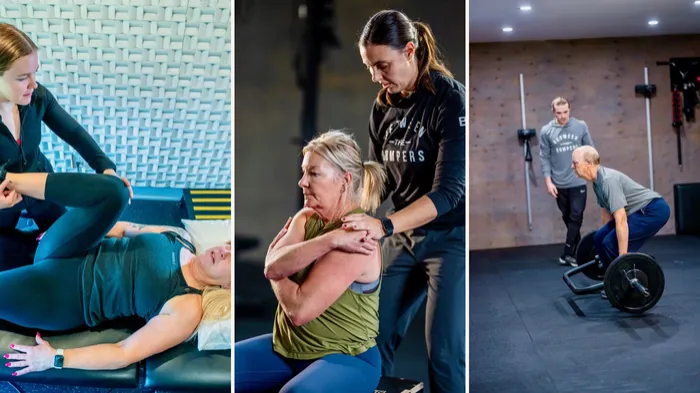
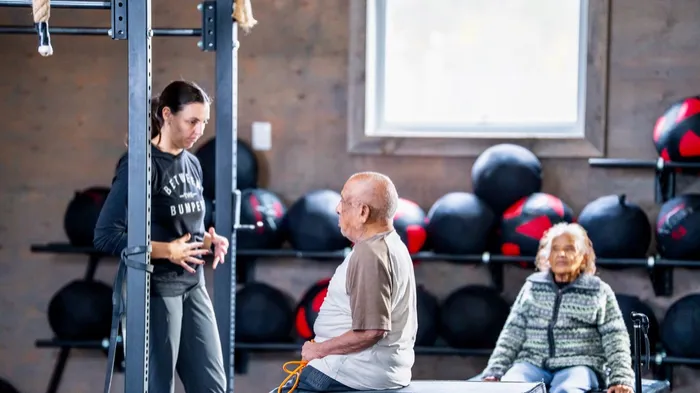
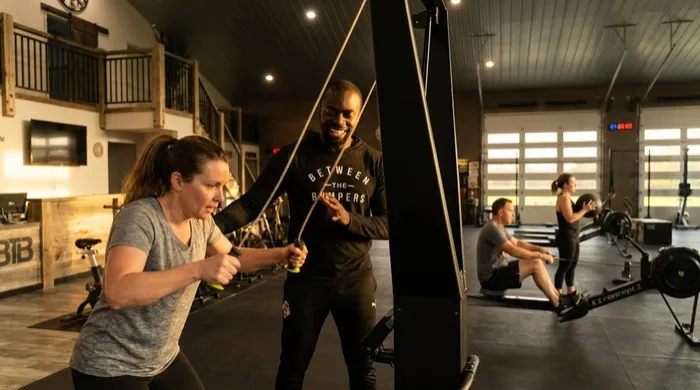
Browse by topic, or search.
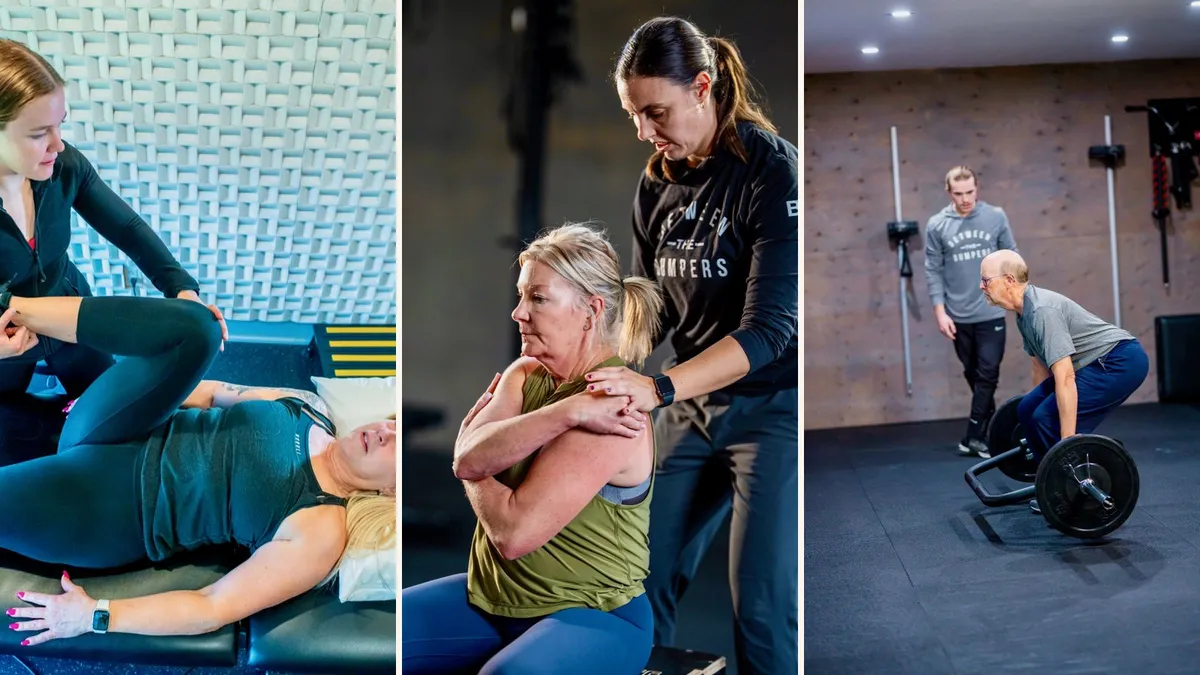
Physio, Athletic Therapy or Training: Which Do You Need?
Most people who walk through our door already know something is wrong. What they do not know is who they are supposed to book with. So they guess, or they put it off for another month. Here is the plain version.
We offer three things that look similar from the outside and are genuinely different on the inside: physiotherapy, athletic therapy, and personal training. Picking wrong is not a disaster, because we will redirect you. But picking right gets you to the useful part faster.
The short answer
| If this is you | Book |
|---|---|
| Something hurts, and it has hurt for more than a couple of weeks | Physiotherapy |
| You want it claimed through your extended health plan | Physiotherapy |
| A specific joint or muscle, often from sport or a clear incident | Athletic therapy |
| You are mostly fine but keep getting niggles that come back | Athletic therapy |
| Nothing hurts. You want to get stronger, fitter or ready for something | Personal training |
| You finished rehab and do not know what to do next | Personal training |
| You genuinely have no idea | A free consultation |
Physiotherapy
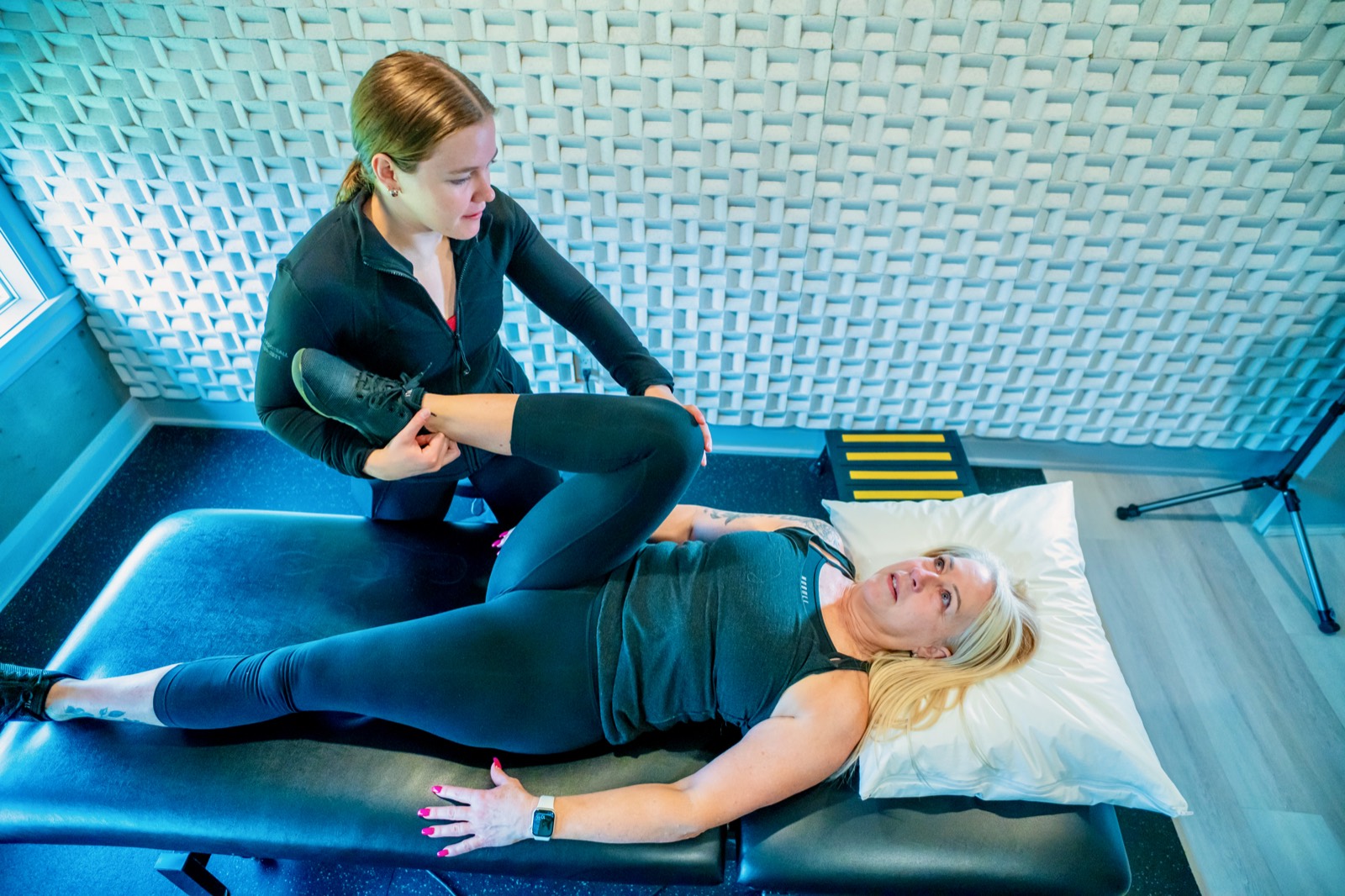
Physiotherapy is the one to book when something hurts and you want it assessed by a regulated health professional.
What a first visit looks like. About an hour. A proper history, then hands-on assessment to work out what is actually driving the problem, which is often not where you feel it. You get treatment in that first visit, not just a conversation and a follow-up booking. You leave with a small number of specific things to do.
The two practical points that matter most. In Ontario you do not need a doctor's referral to see a physiotherapist, so you can book directly this week. And physiotherapy is the one most extended health plans cover, so if you want to claim it back, this is usually the receipt you want. Check your own plan for the details, because coverage amounts vary a lot.
Athletic therapy
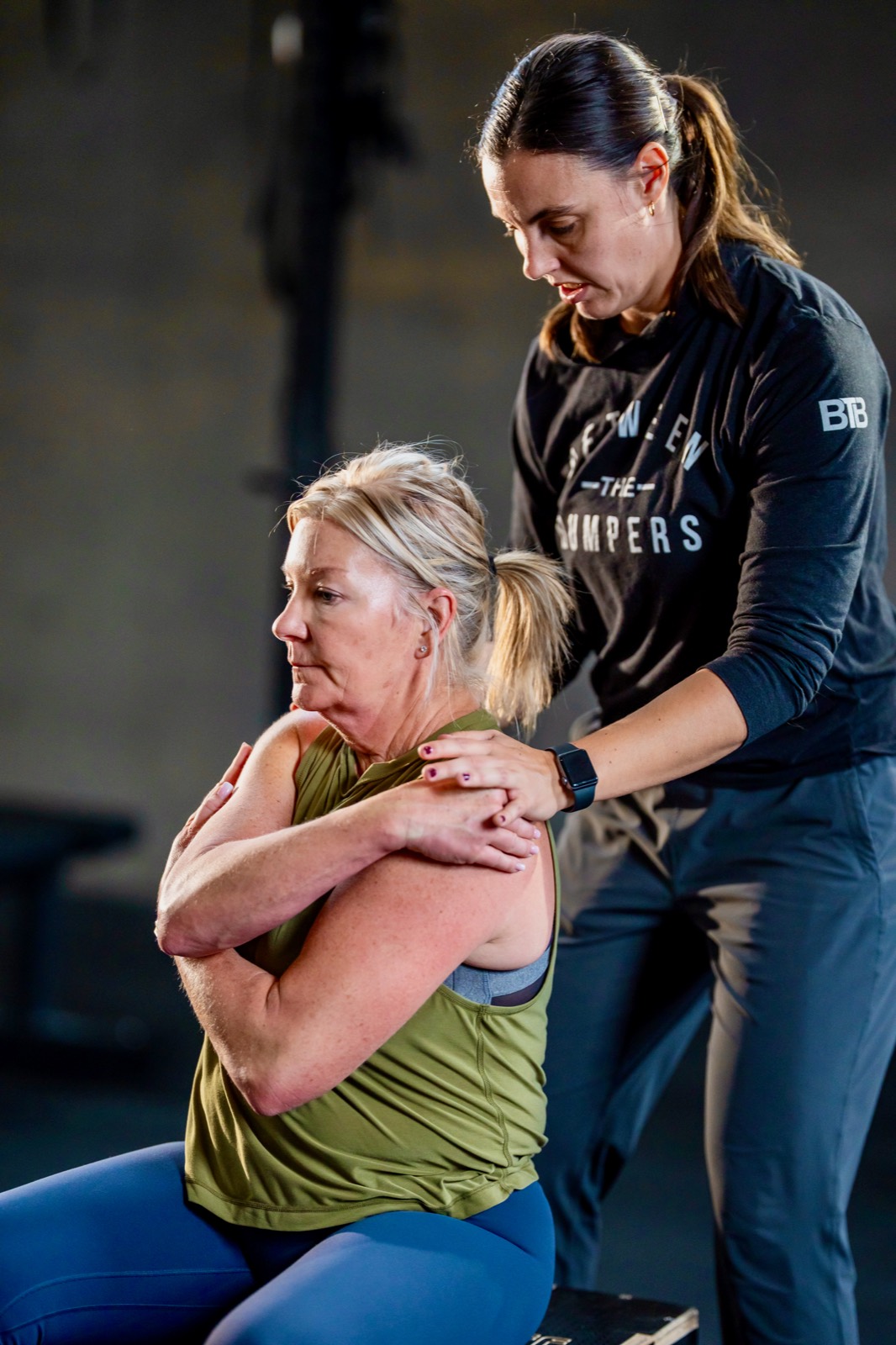
Athletic therapists are trained on the musculoskeletal system specifically: muscles, joints, tendons and the way they fail under load. The tradition comes from sport and sidelines rather than clinics, and it shows in how the work feels.
What a first visit looks like. Similar length, more immediately hands-on. Assessment of the specific area, manual work, then usually a plan that involves loading the tissue rather than resting it.
Where it tends to beat physiotherapy. The recurring niggle. The hamstring that goes every spring, the shoulder that is fine until you serve, the hip that complains at a certain distance. Things that are not injuries exactly, but are not nothing either.
Many extended health plans cover athletic therapy, but noticeably fewer than cover physiotherapy, and it is worth a two-minute check with your provider before you book if the claim matters to you.
Personal training
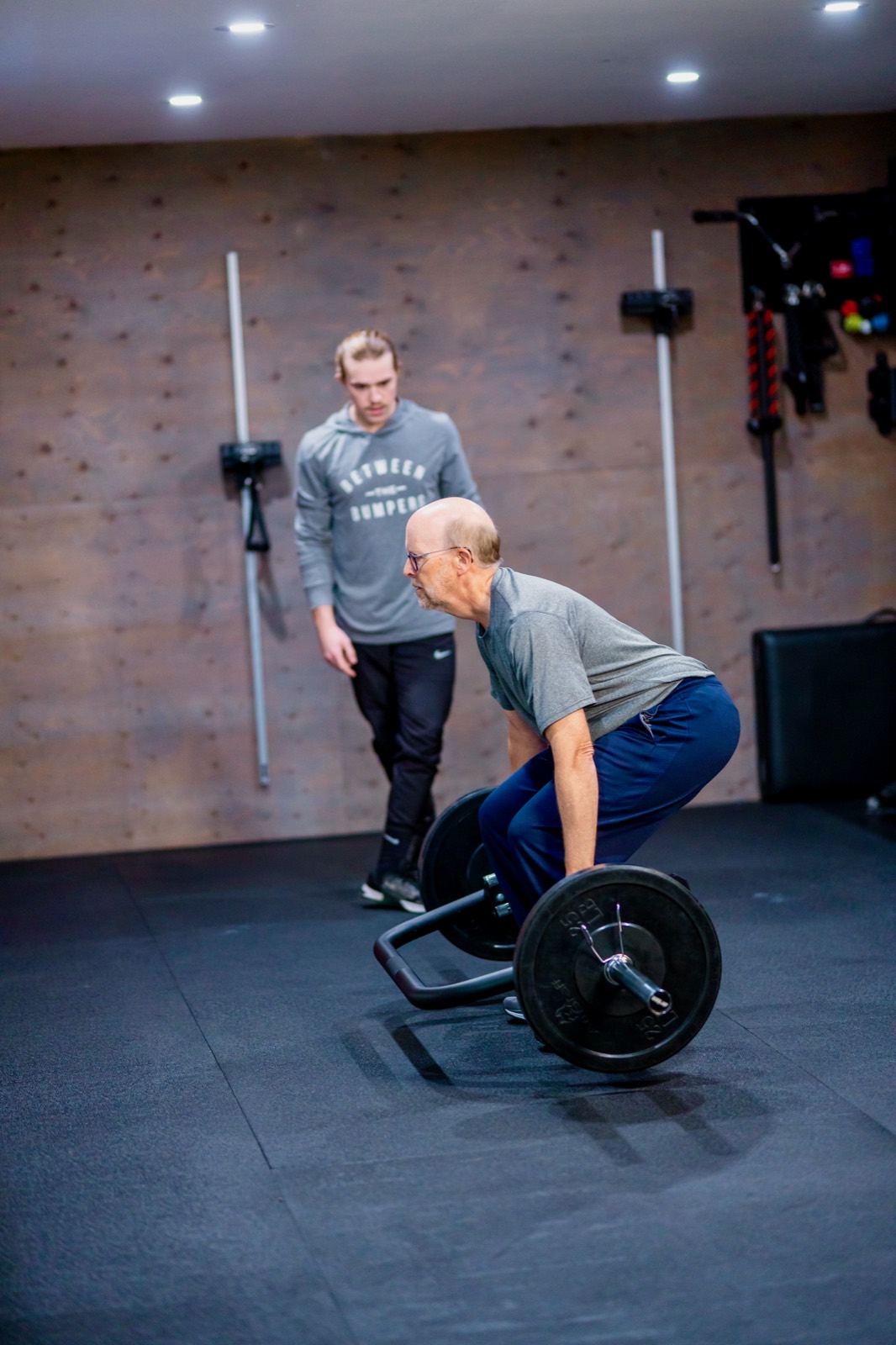
Personal training is not the consolation prize for people who are not injured. For a lot of problems it is the actual treatment, just delivered under a different name.
What a first visit looks like. A conversation about what you want, a movement screen, then a session. You train on day one.
The part people get wrong. Weak is not the same as injured, and an enormous number of aches are capacity problems wearing an injury costume. Your back is not damaged, it is doing a job it has not been prepared for. Physiotherapy will help you settle that down. Training is what stops it coming back.
Still not sure?
Then do not pick. Book a free consultation, tell us what is going on, and we will tell you which of the three you actually need. If the answer is none of them, we will say that too.
Book a free consultationThe part nobody explains
These three are not a ladder, and most people who get good outcomes use more than one.
A typical path looks like this. Something hurts, so you see the physiotherapist and it settles. Then there is a gap, because the pain is gone but you are not back to what you were doing, and that gap is where most people quietly reinjure themselves. Training is what fills it.
Going the other way works too. Someone comes in to train, we find a shoulder that will not get above ninety degrees cleanly, and they go next door for an assessment before we load it.
The advantage of having all three under one roof is that the handover is a conversation in the hallway rather than a referral letter and a six-week wait.
What this costs
Rates for all three are on our pricing page, and they are the same rates we quote in person. Physiotherapy and athletic therapy are billed per visit. Personal training works out differently depending on whether you train alone or in a small group, and the small group option brings the per-session cost down substantially.
If budget is the thing stopping you, say so at the consultation. There is almost always a version that fits, and it is a better conversation to have up front than to discover three weeks in.
Common questions
Do I need a doctor's referral?
Not in Ontario, for any of the three. Some insurance plans ask for one before they will reimburse, so check your plan, but you do not need one to book with us.
Can I do physiotherapy and training at the same time?
Yes, and it is often the fastest route. Your physiotherapist and your coach work in the same building and will coordinate what you are doing so the two do not pull against each other.
What is the difference between a physiotherapist and an athletic therapist, really?
Different training, different regulatory colleges and different traditions. Physiotherapy is broader and covers neurological and post-surgical rehabilitation as well as musculoskeletal work. Athletic therapy is narrower and deeper on muscles and joints under load. For a sore knee, either is a reasonable choice. For anything systemic, post-surgical or undiagnosed, start with physiotherapy.
I booked the wrong one. What happens?
Nothing bad. We will tell you in the first visit and sort out the switch. You will not be charged twice for us figuring it out.
Book the right one
Pain that has not settled goes to physiotherapy. A stubborn recurring area goes to athletic therapy. Everything else starts with a conversation.
Book physiotherapy Book athletic therapy Free consultation
Reading is a fine start. A conversation is a better one.
Twenty minutes with a coach, no workout, and an honest answer on where to begin.