Notes from the barn. Short, honest, and useful this week.
What we tell members across the table: how to get strong again without wrecking yourself, what actually keeps you independent, and how to fit it into a week that is already full.
Browse by topic, or search.
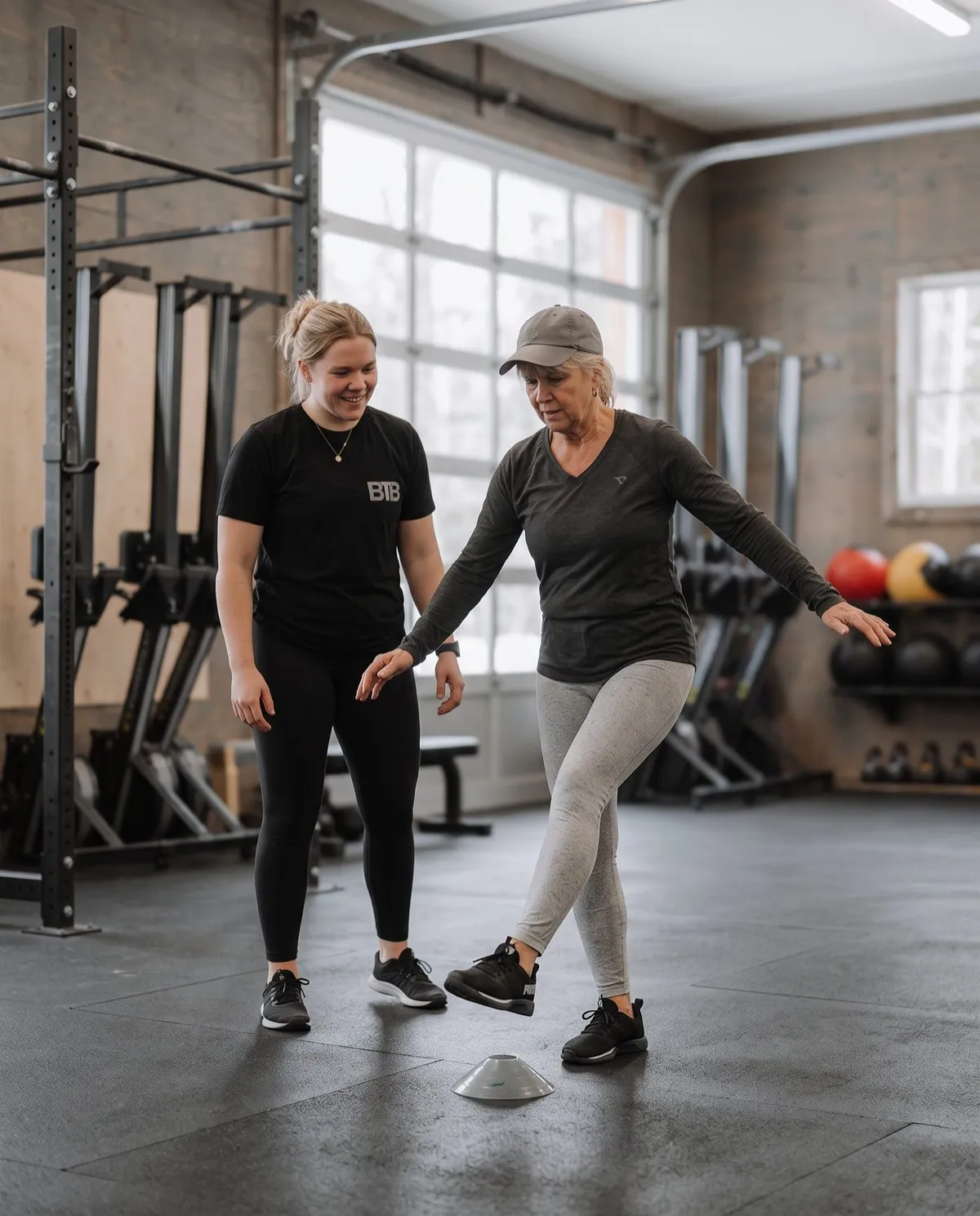
Osteopenia or Osteoporosis on a Scan: What It Actually Means for the Gym
Most people meet this diagnosis the same way. A routine scan, a letter or a short phone call, a word they have to look up, and then a long wait before anyone explains what they are supposed to do differently.
Very often the only instruction given is to be careful. That instruction, on its own, does more harm than good.
What the numbers mean
A bone density scan gives you a T-score, which compares your bone mineral density against a young adult reference. The standard thresholds are:
The thing to understand is that this is a risk estimate for fracture, not a measure of how fragile you feel. Plenty of people with osteopenia are strong and capable. The score is one input, alongside your age, your history, whether you have broken anything already, and whether you fall.
What helps
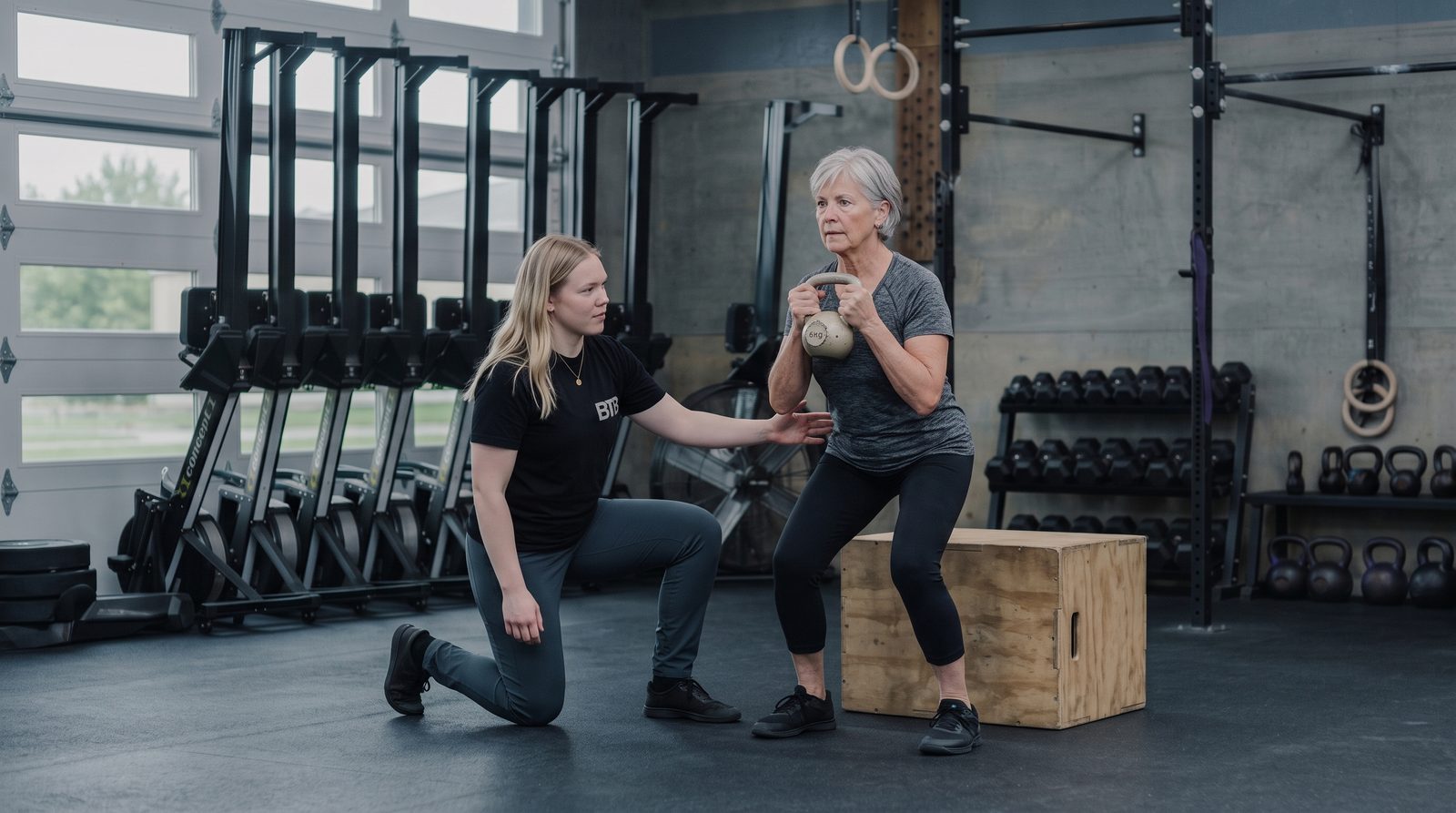
- Progressive resistance training. Loaded, and getting heavier over time. Bone adapts to meaningful stress and ignores gentle stress.
- Impact, where it is appropriate. Stepping, hopping, stairs. Whether this applies to you depends entirely on your score and your history, which is why it needs assessing rather than assuming.
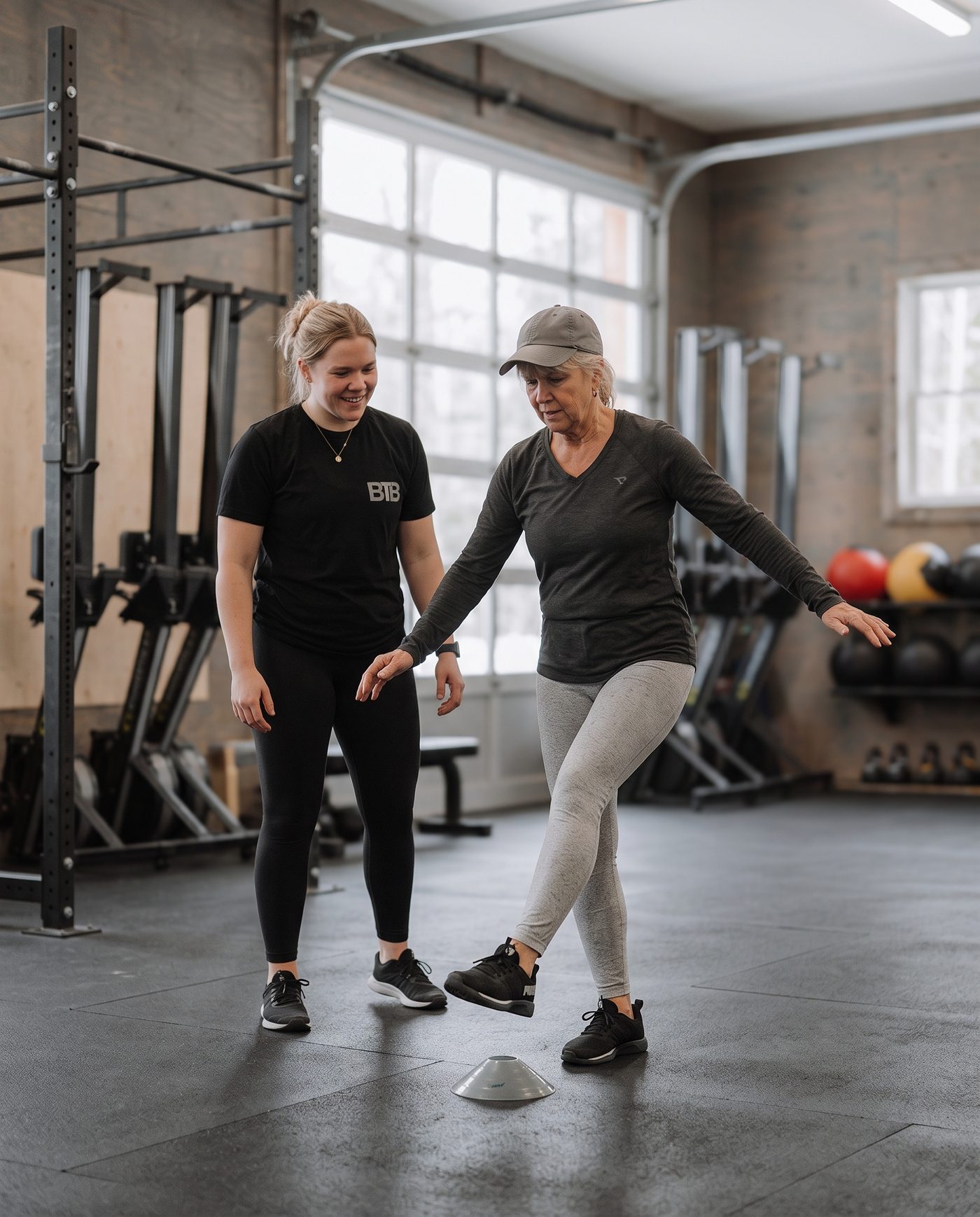
- Balance and reaction work. The least exciting item on the list and the one with the clearest link to not ending up in the Queensway Carleton.
- Enough protein, calcium and vitamin D. Your physician handles the supplementation question. Do not self-prescribe from the internet.
What to be genuinely careful with
This is the part general advice skips. With established osteoporosis, particularly where there is any history of spinal fracture, the usual cautions are:
- Loaded end-range rounding of the spine, which includes some sit-up and toe-touch style movements
- Forceful twisting under load
- High-impact work that has not been built up to
- Anything that puts you at real risk of a fall, including some unsupported single leg work early on
Note what is not on that list. Squatting, hinging, pressing, rowing and carrying are not on it. Those are the movements that build the bone and the muscle around it, and avoiding them is the single most common mistake made after this diagnosis.
How this works here
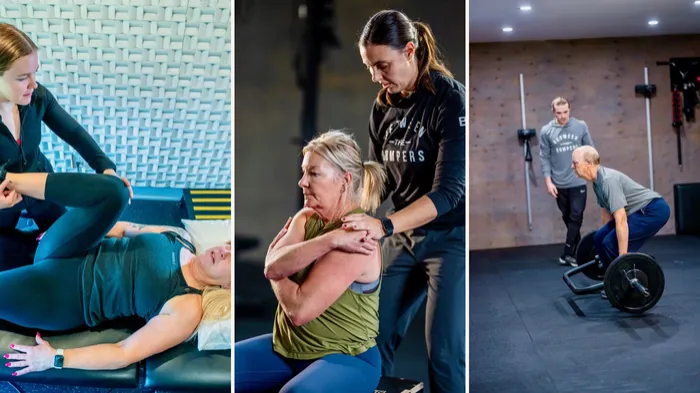
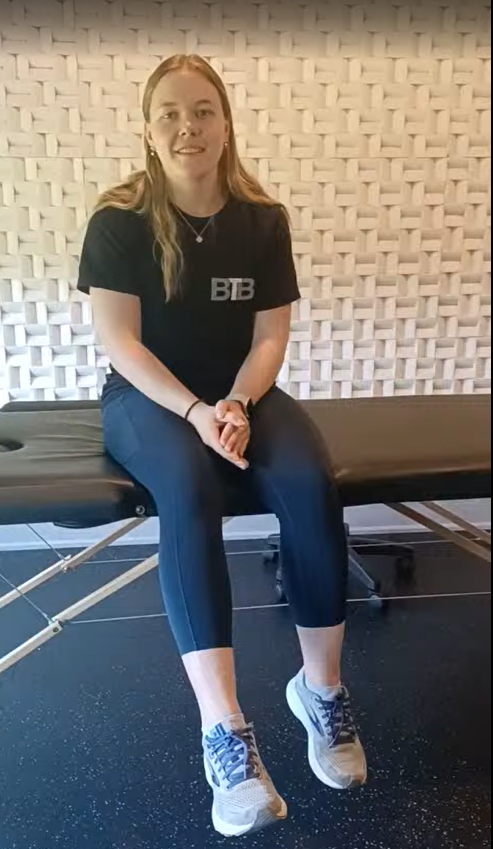
Start with an assessment, either with Megan, our physiotherapist, or Taylor, our athletic therapist. Bring the scan result and anything your doctor has told you. The job of that first appointment is to work out what you can load now, what needs building towards, and what genuinely needs leaving alone.
After that, the strength work happens a few steps away on the gym floor, with a coach who knows what came out of the assessment. That is the whole reason the clinic and the gym are the same building. A plan that lives on a sheet of paper is a plan nobody progresses.
Have a scan result you do not understand?
Book an assessment and bring it. No referral needed, pay per visit, no membership.
Book an assessmentCommon questions
Can exercise reverse osteoporosis?
Be sceptical of anyone who promises that. What good training reliably does is slow loss, build the muscle and balance that prevent falls, and improve how well you function. Changes in density itself are usually modest and slow.
Is it safe for me to deadlift?
For a great many people with osteopenia, yes, and it is one of the better things available. With osteoporosis it depends on your history and technique, which is exactly what the assessment is for. The answer is rarely a flat no.
I am on medication for it. Does that change the exercise?
Generally it complements it rather than replacing it. Tell us what you are taking so nothing we do conflicts with your physician's plan.
I am a man. Is this relevant?
Yes. Osteoporosis in men is underdiagnosed and tends to be caught later, often after a fracture.
Do I need to be a gym member?
No. Physiotherapy and athletic therapy are pay per visit with no membership and no referral.
Turn the score into a plan
Assessment first, then strength work on the floor with a coach who has read it. Both under one roof.
Book physio or athletic therapy Not sure? Take the two minute quiz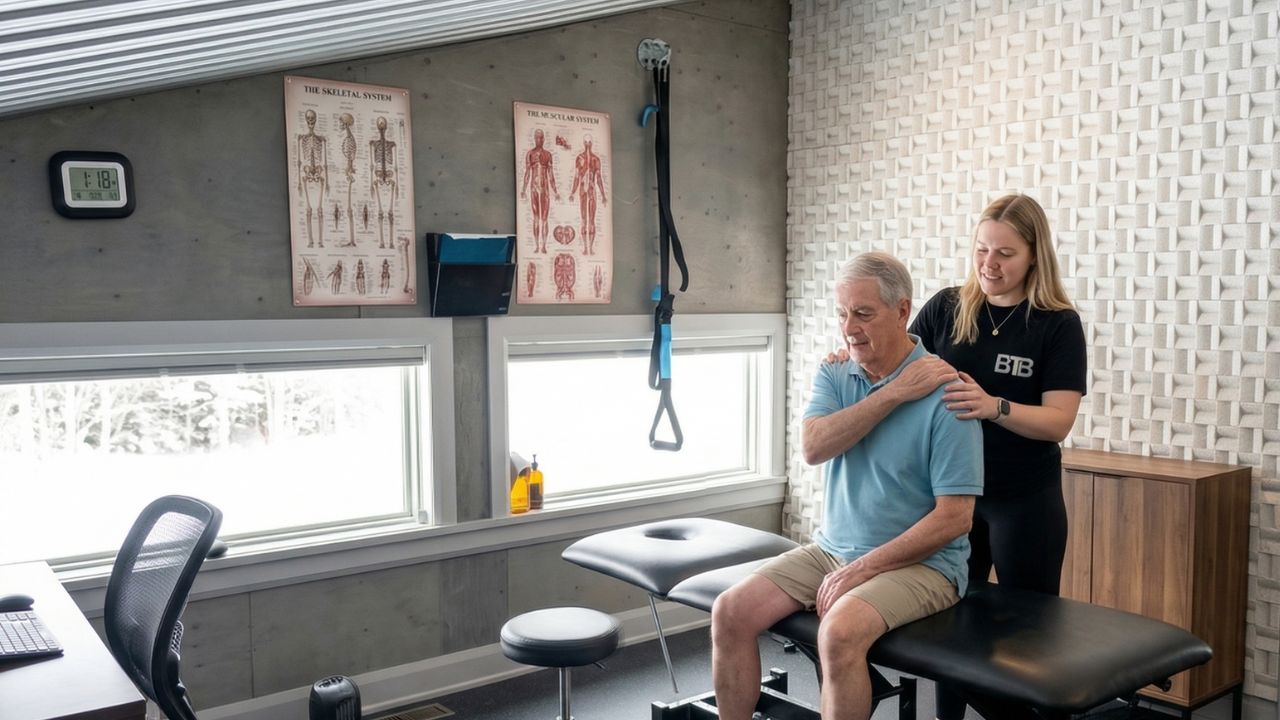
Where to next
T-score thresholds as defined by the World Health Organization and used by Osteoporosis Canada. This article is general information and is not individual medical advice. Everything here depends on your own history, your scan or imaging if you have had any, and what your doctor or specialist has already told you. Speak to a regulated health professional before starting or changing exercise, and if anything your surgeon, physician or physiotherapist has told you contradicts what you read here, theirs wins.

Reading is a fine start. A conversation is a better one.
Twenty minutes with a coach, no workout, and an honest answer on where to begin.